
CN CN
Solid Tumor Therapy = Direct Ablation/Debulking + Systemic Therapy
Local Therapy

Surgical Operation

Minimally Invasive Ablation

Surgical Operation

Systemic Therapy

Radiotherapy/Chemotherapy

Immunotherapy

Vascular Interventional Therapy

Oncolytic Virus

Cell Therapy

CAR-T, NK cells, tumor vaccines, etc.

Advantages of Minimally Invasive Ablation
Tumor Reduction Comparable to Surgical Resection
Minimal Damage
Favorable Immunological Efficacy
Easy to Operate for Physicians
Overviewaa
Overview of Minimally Invasive Tumor Therapy
With the advent of the era of precision medicine, the philosophy of tumor treatment is undergoing transformation. Tumor therapy is trending toward minimally invasive, interventional, and personalized approaches.
Minimally invasive interventional therapy for tumors has ushered in a new era in oncology treatment. By replacing scalpels with needles, surgical incisions are minimized, eliminating the need for traditional major surgeries. Through just a slender puncture needle or a tiny catheter, precise treatment can be achieved within the patient's body. This approach offers advantages such as minimal trauma, high efficacy, lower costs, repeatability, and broad applicability, embodying the characteristics of minimally invasive, precise, and efficient tumor therapy.

Minimal Trauma

Small

High Efficacy

Good

Low Cost

Low

Repeatable

Repeat

Widely Applicable

Wide
advantagea
Therapeutic Advantages
Minimally Invasive

Minimally Invasive

Minimal trauma, rapid recovery

High Precision

High Precision

Reduced Damage to Normal Tissue

Diversity

Diversity

It can be applied to lesion treatment across all stages, from early to advanced, based on clinical therapeutic objectives

way
Guidance Methods
Common guidance methods for ablation therapy include ultrasound, CT, and MRI. Among these, ultrasound guidance is the most frequently used, offering the advantages of convenience, real-time imaging, and high efficiency
CT and MRI can be utilized to observe and guide the ablation of lesions that are inaccessible by conventional ultrasound.
CT and MRI guidance technologies can also be applied to the ablation therapy of metastatic lesions in the lungs, adrenal glands, bones, and other sites.
Indications
Indication Range
It can be applied to the treatment of various solid benign and malignant lesions in organs including the liver, lungs, pancreas, kidneys, thyroid, breast, prostate, and more
Liver

Liver

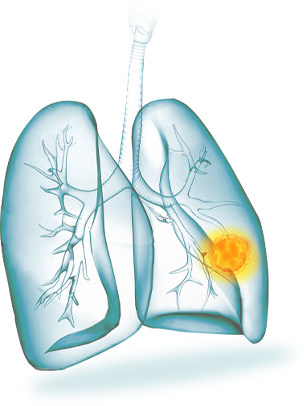
Lung

Lung

37、Pancreas

37、Pancreas

Kidney

Kidney

Thyroid

Thyroid

Brest

Brest

Prostate

Prostate

Process
Treatment Process

1

STEP

Assessment and Diagnosis

Confirming Indications Through Imaging

Assessment and Diagnosis

2

STEP

Formulating the Treatment Plan

Personalized Treatment Plan

Formulating the Treatment Plan

3

STEP

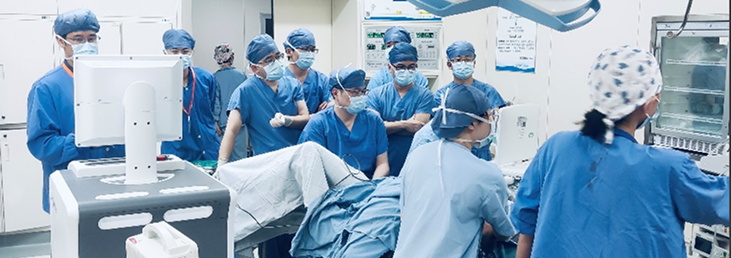
Surgical Treatment

Precision Interventional Technology Implementation

Surgical Treatment

4

STEP

Postoperative Management

Regular Follow-up and Rehabilitation Support

Postoperative Management